

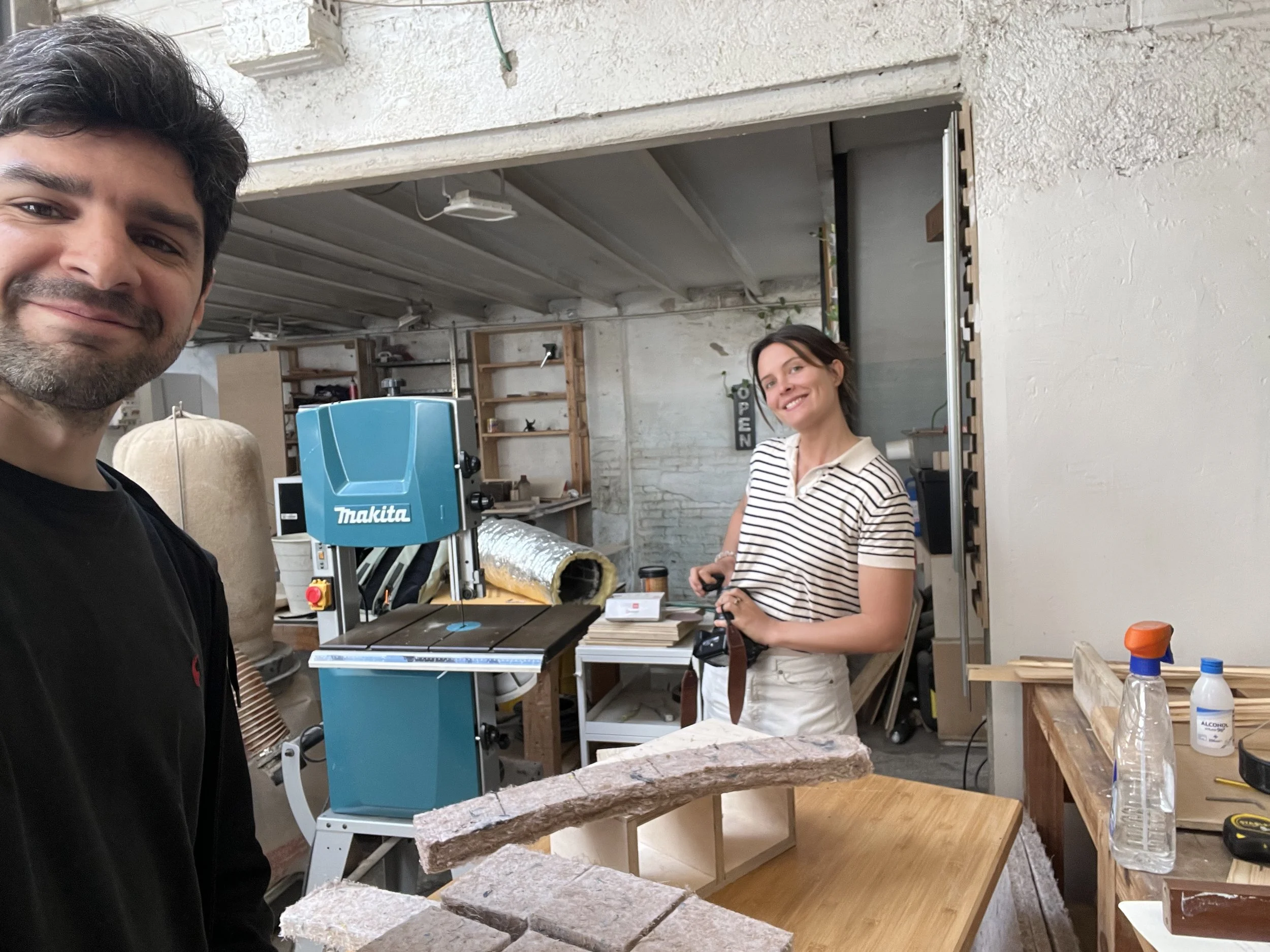
The People Behind SUSTEIN
Complementary strengths with one shared direction
Founder
Simon Gonzalez
Ops in Hospital Waste Management
Msc. Innovation in Material Manufacture
Business in Circular Economy
Climate Architecture
Sales
Carolina Hofig Ramos
Co-Founder
Business Consultant
Brand Manager
Business Developer
Operations
ESADE MBA
+ Something did not add up
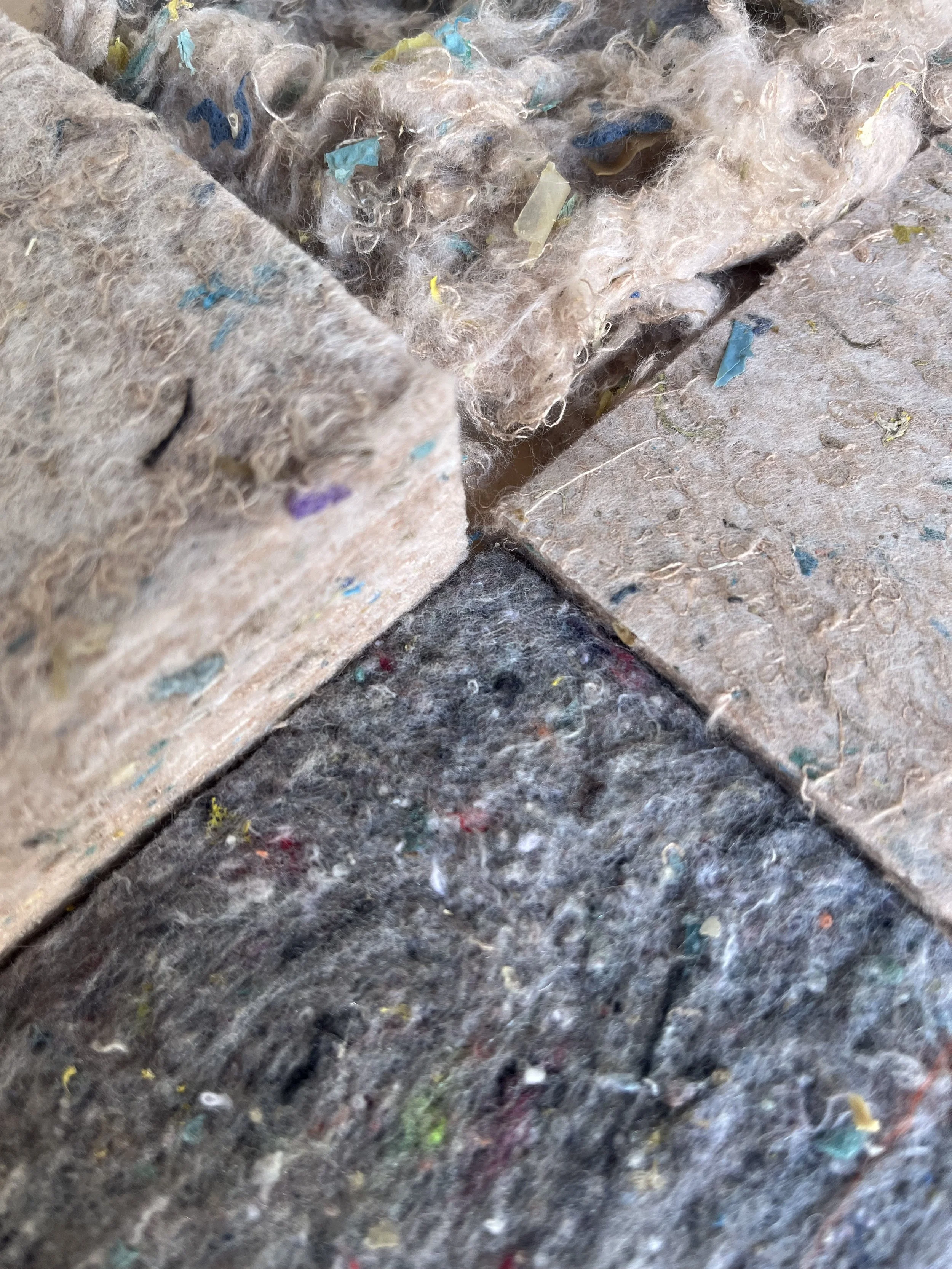
While working with healthcare waste, I kept seeing the same thing: carefully engineered polymers and fibres, often intact after a single use, being sent towards incineration or landfill.
Not because they'd lost their value, but because no system had ever been built to recover it.
I saw a systemic fracture that shouldn't exist and kept asking myself:
Why were these materials not being used?
What could they become?
And what would be required to make that possible?
+ SUSTEIN MATERIAL S.L
A material alone wouldn't solve the problem. We needed to build the entire circular system around it: the partnerships, the processing infrastructure, the supply chain, the market demand. The system and the product had to be designed together, or nothing would work.
Meanwhile, construction, the world's largest consumer of raw materials, was searching for exactly these inputs. Two industries, one solving the other's problem. Nothing connecting them.
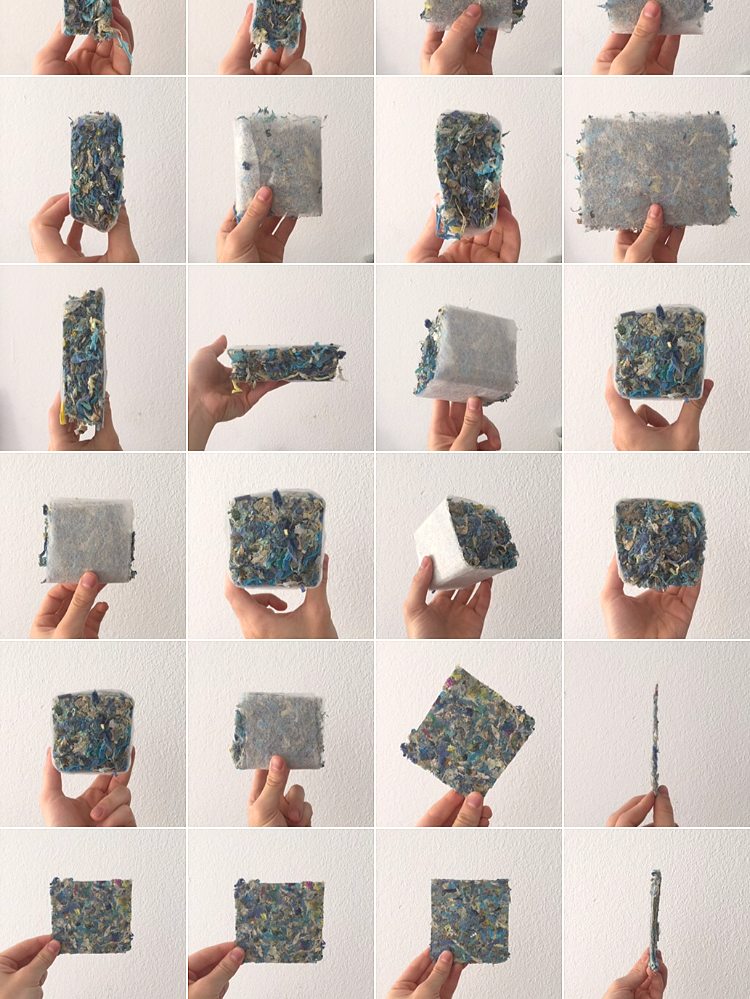
So, we built the bridge
At the time, healthcare waste was an unconventional and uncomfortable starting point for a construction material. Its origin created an immediate assumption: it must be hazardous and unusable.
According to the World Health Organization, approximately 85% of healthcare waste is general, non-hazardous waste. The problem was not simply the material itself, but how different waste streams were classified, separated, treated, and directed after use.
That changed the starting question: We stopped asking how to dispose of healthcare waste and started asking what these materials could become.
Without a useful product, there would be no market for the material. Without demand, there would be no reason to recover it. And without recovery, the same linear system would continue.
+ Rethinking what comes next
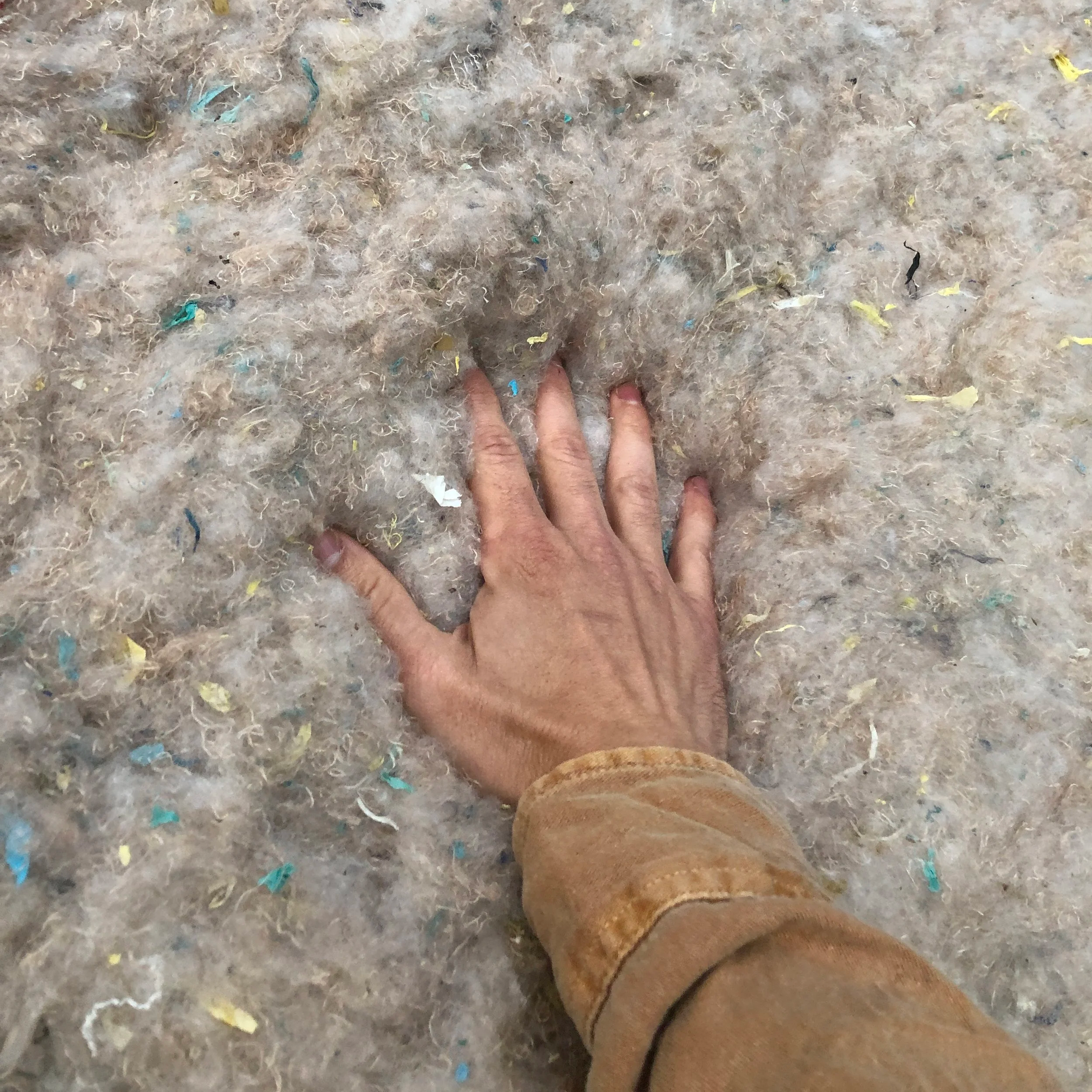
Sustein began with a personal experience & discovery: The healthcare industry uses some of the most controlled and highest-quality plastics in our society, and they’re used on average for 15 minutes
+ Different strengths, One shared direction.
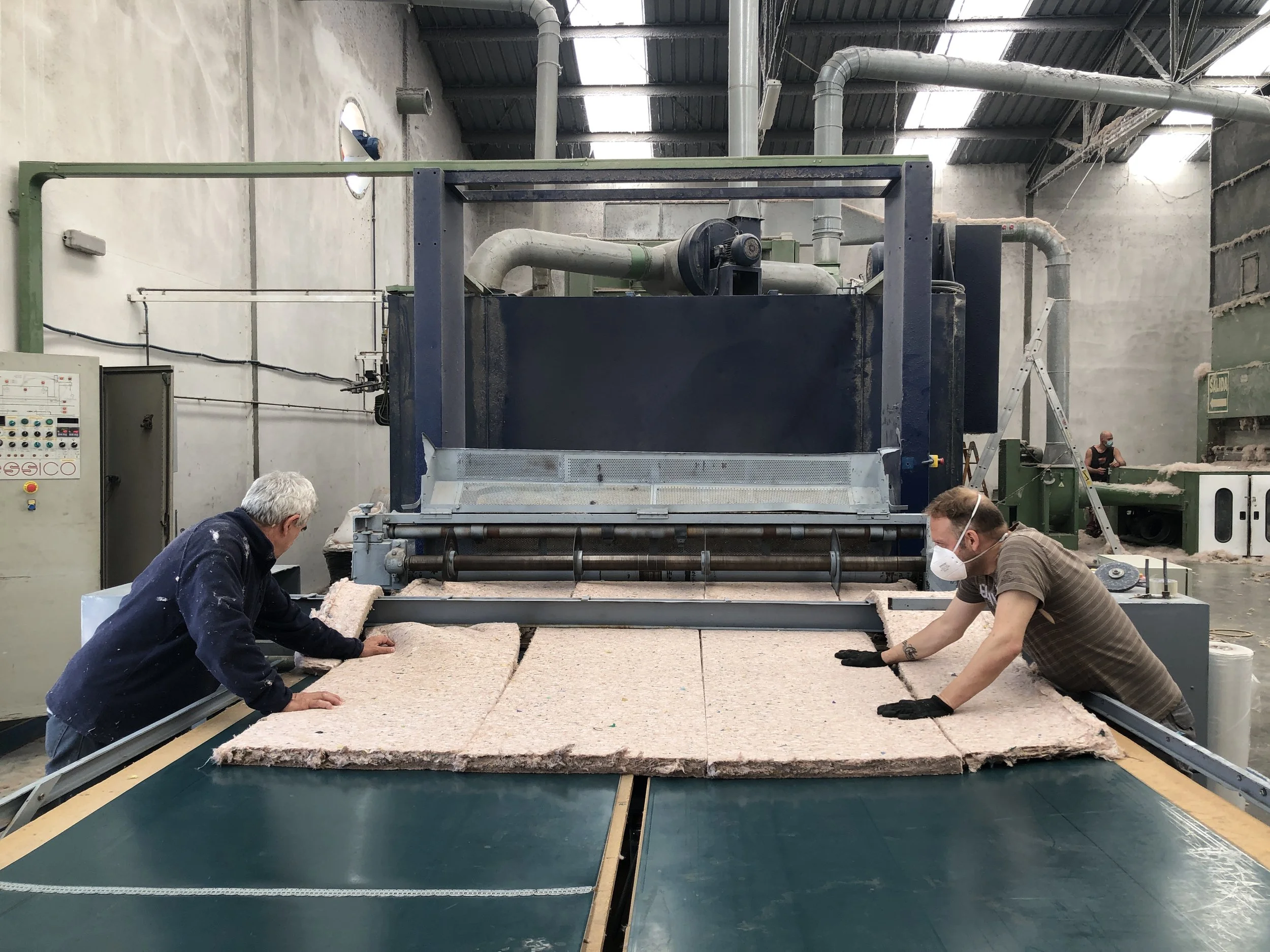
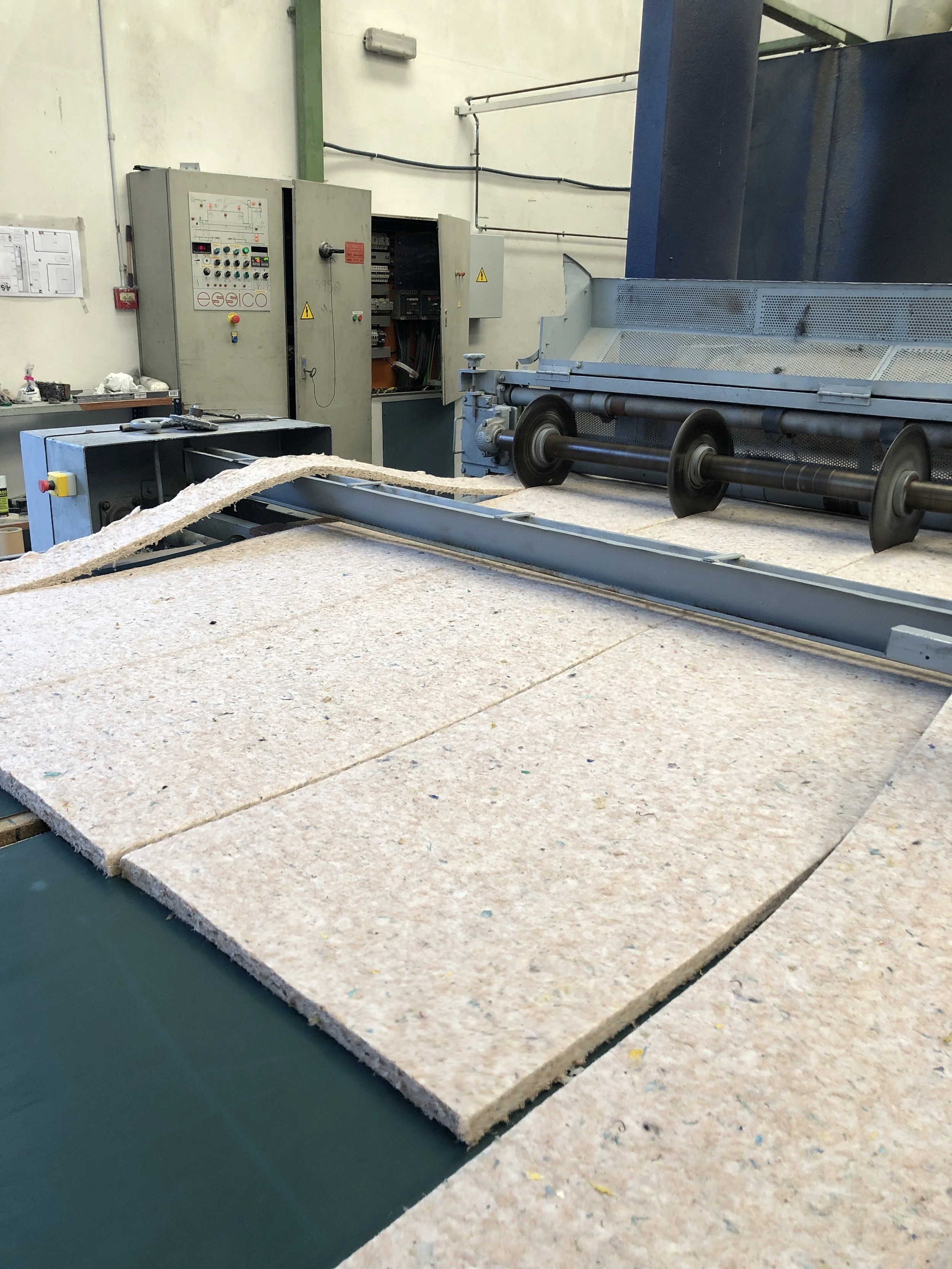
For years, as an architect and specialist in material innovation, I pushed the technical work to be right. The first experiments focused on the material: how healthcare plastics and fibres could be prepared, combined, and formed into construction products. Then, I deepened into the regulatory landscape, the processing systems required to make healthcare waste truly viable and transformed into a viable end-of-life product.
The engineering was possible. But engineering alone doesn't create markets.
That's where Carolina became essential.
I could see the problem's depth and the solution's technical requirements. Carolina could translate the technical complexity into a business model, navigating and testing our product-market fit with discipline and speed. She moved through uncertainty with calm. She made decisions when others hesitated.
While I pushed for rigour, she ensured momentum.
Today, SUSTEIN is creating the first circular economy around healthcare waste.
Every tonne we process diverts high-quality materials from landfill while reducing construction's carbon footprint. Local waste becomes local raw material. Local manufacturing creates local productsThe system works because it serves both industries simultaneously. The disconnection identified years ago is now a bridge.
Our goal is to build the infrastructure that makes waste recovery inevitable, not optional. Build the partnership and process that turns healthcare's single-use burden into construction's circular resource.

Written by Simon Gonzalez